On-Grid Solar Rooftop System
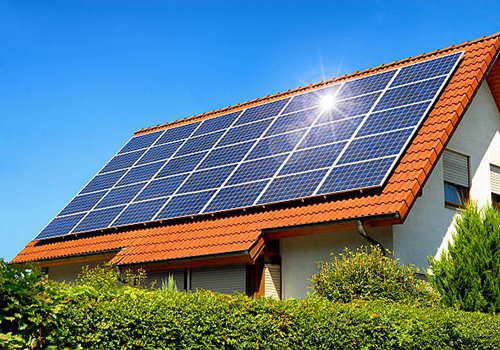
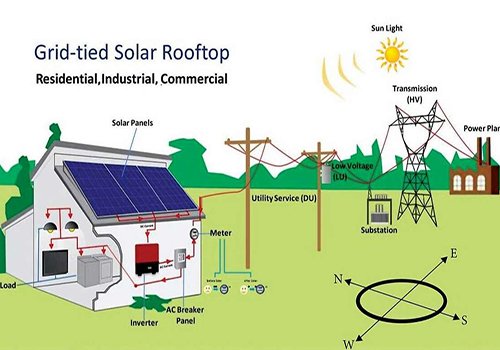
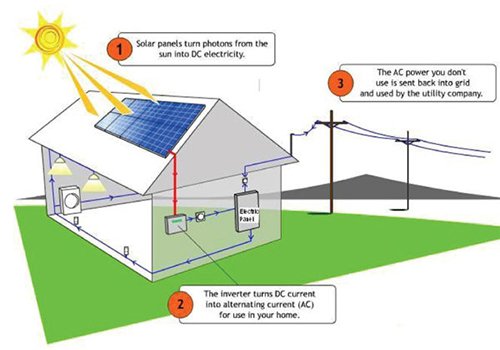
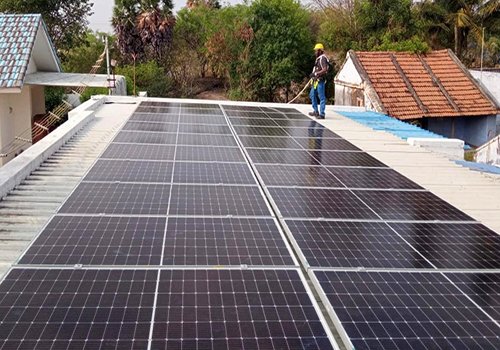
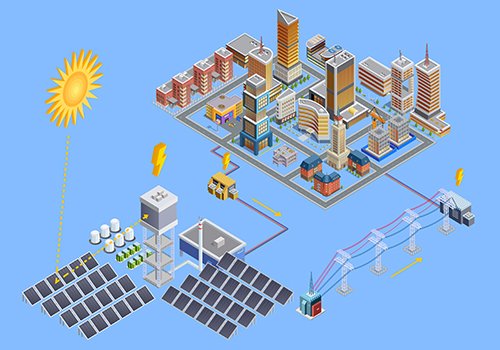
An On-Grid Solar Rooftop System (also known as a grid-tied solar system) is a solar power setup that is connected to the public electricity grid. It generates electricity from sunlight and supplies any excess power back into the grid. Here's a breakdown of the key features:
Components of an On-Grid Solar Rooftop System:
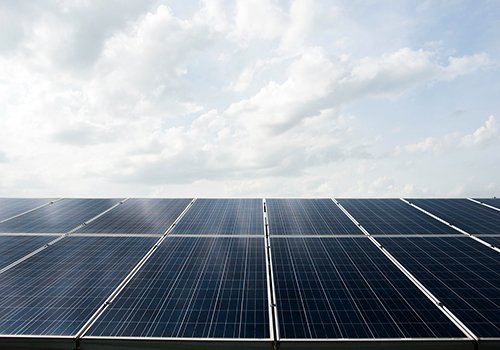
- Solar Panels (Photovoltaic Modules): These convert sunlight into electricity.
- Inverter: Converts the DC electricity generated by the solar panels into AC electricity, which is used in homes or businesses.
- Metering System: Tracks the amount of energy produced and, in some cases, how much is fed back into the grid.
- Utility Grid Connection: The system is connected to the grid, enabling you to send excess power to the grid or draw power from it when your solar system isn’t producing enough.
Benefits:
- Low Energy Bills: You pay for the energy you consume from the grid and potentially earn credits for excess energy produced.
- Sustainability: Reduces greenhouse gas emissions by replacing conventional fossil fuels with clean solar energy.
- Grid Stability: Helps stabilize the local grid by contributing renewable energy during peak sunlight hours.
Off-Grid Solar Rooftop System
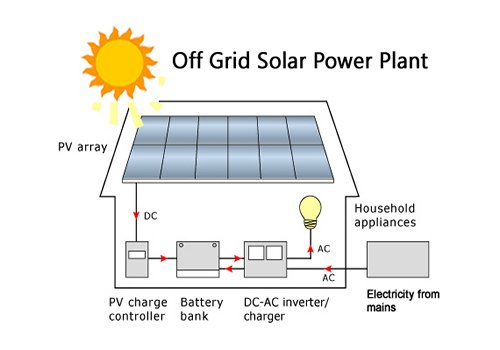
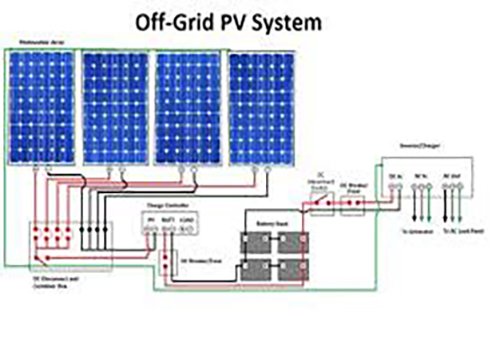
An off-grid solar power system is a solar power setup that operates independently from the traditional utility grid. It is designed for locations where access to the grid is unavailable or too costly, or for individuals who prefer energy independence. Here's how it works and its main components:
Key Components of an Off-Grid Solar System:
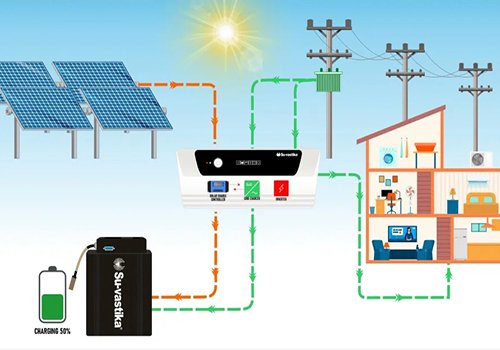
- Solar Panels: These panels capture sunlight and convert it into direct current (DC) electricity. The number of panels depends on your energy needs, location, and available sunlight.
- Charge Controller: The charge controller regulates the flow of electricity from the solar panels to the battery bank. It ensures that the batteries are charged properly and prevents overcharging or discharging, which can damage the batteries.
- Battery Bank: Since solar energy is intermittent (only available when the sun is shining), the battery bank stores excess energy produced during the day. The stored energy is then used at night or on cloudy days when the solar panels aren't producing electricity. Common battery types are lithium-ion, lead-acid, or AGM.
- Inverter: The inverter converts the DC electricity from the solar panels and battery bank into alternating current (AC) electricity, which is what most household appliances use.
Benefits of an Off-Grid Solar System:
- Energy Independence: No reliance on local utility companies.
- Cost Savings: No monthly electricity bills, though the initial setup can be costly.
- Sustainability: Renewable and eco-friendly, reduces your carbon footprint.
- Flexibility: Can be installed in remote locations where the grid is unavailable.
Hybrid Solar System
A Hybrid Solar System is a type of solar power setup that combines solar panels with other energy sources, usually a battery storage system and/or a generator, to provide a more reliable and flexible energy solution. This hybrid setup can be designed to supply power to a home, business, or even an entire community.
Here’s a breakdown of the key components and their roles:
- Solar Panels (Photovoltaic Panels): These are the core of the system, converting sunlight into electricity.
- Inverter: It converts the direct current (DC) electricity generated by the solar panels into alternating current (AC) electricity, which is used by most household appliances.
- Battery Bank: The battery stores excess electricity produced by the solar panels during the day. This stored energy can be used at night or during periods of low sunlight.
- Backup Generator (Optional): In case the solar panels and batteries cannot meet the demand (e.g., during prolonged cloudy periods), a backup generator can kick in to provide additional power.
Key Benefits:
- Energy Independence: By integrating solar panels and batteries, users can reduce their reliance on the electric grid.
- Cost Savings: No monthly electricity bills, though the initial setup can be costly.
- Reliability: Hybrid systems are designed to ensure continuous power, even if one energy source fails.
- Flexibility: Depending on your needs, you can adjust the system with additional storage or backup options.
Solar Submersible Pump
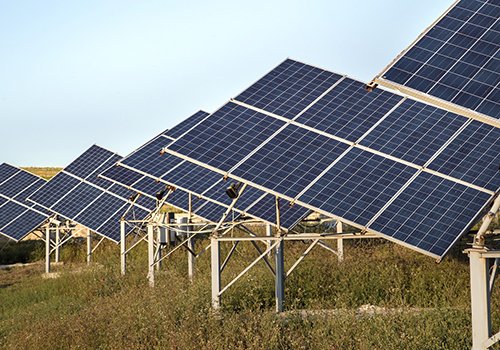
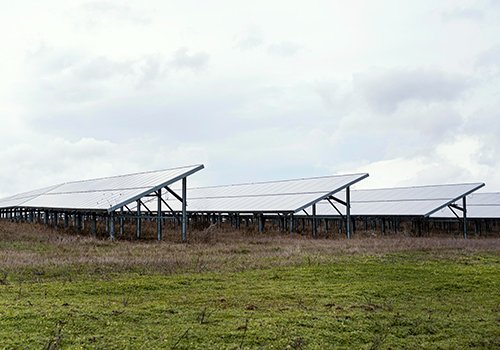
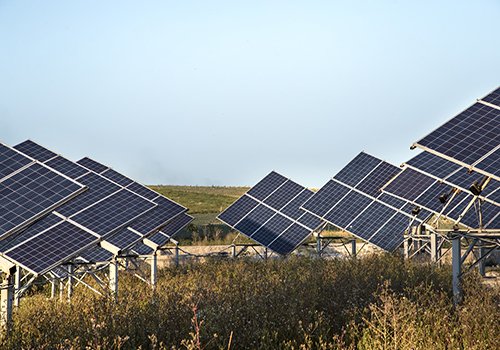
A solar submersible pump is a type of water pump powered by solar energy, designed to operate underwater, typically in wells, boreholes, or reservoirs. It is widely used for irrigation, livestock watering, domestic water supply, and remote water distribution systems.
Advantages
- Eco-friendly – Uses renewable solar energy.
- Cost-effective – Reduces electricity and fuel costs.
- Remote operation – Ideal for off-grid locations
- Low maintenance – Fewer moving parts compared to conventional pumps.
Applications:
- Agriculture: Irrigation for crops.
- Drinking Water Supply: Remote villages, homes, or communities.
- Livestock Watering: Farms and ranches.
- Industrial Use: Remote construction sites or mining.
Solar Water Heater
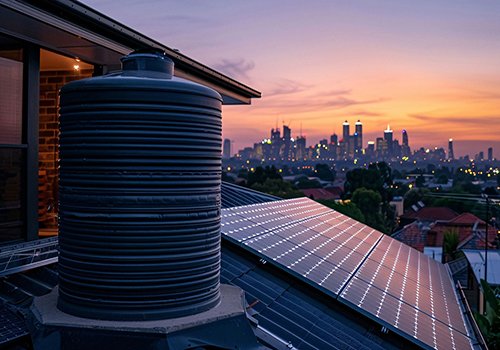
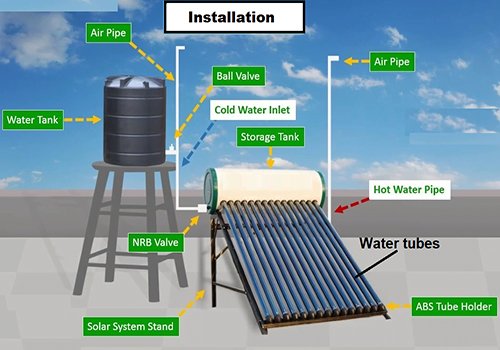
A solar water heater is a system that uses solar energy to heat water for residential, commercial, or industrial use. It is an eco-friendly and cost-effective alternative to conventional water heating methods that rely on electricity or gas.
Types of Solar Water Heaters:
-
Active Solar Water Heaters (Use pumps to circulate water)
Direct Circulation Systems: Pump water directly through solar collectors and into the home.
Indirect Circulation Systems: Use a heat-transfer fluid that circulates through the collectors and transfers heat to the water. -
Passive Solar Water Heaters (Rely on natural convection)
Integral Collector-Storage (ICS) Systems: Store water in a collector that is exposed to the sun.
Thermosiphon Systems: Use the natural movement of hot water rising to circulate water without a pump.
Components of a Solar Water Heating System:
- Solar Collectors: Absorb sunlight and convert it into heat.
- Storage Tank: Stores the heated water for later use.
- Heat Exchanger: Transfers heat from the collector to the water.
- Pumps & Controllers (for active systems): Circulate water and regulate temperature.
- Backup Heater: Provides additional heating when solar energy is insufficient.
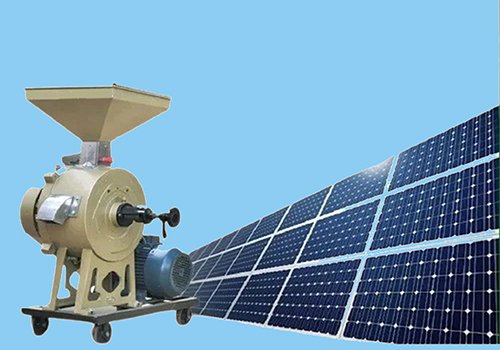
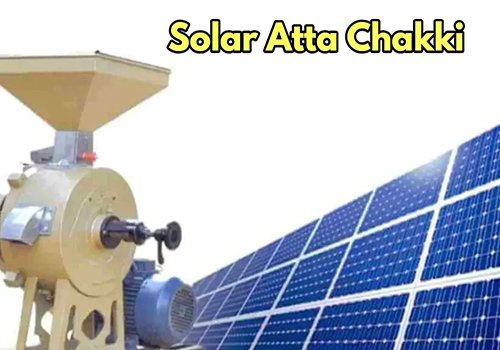
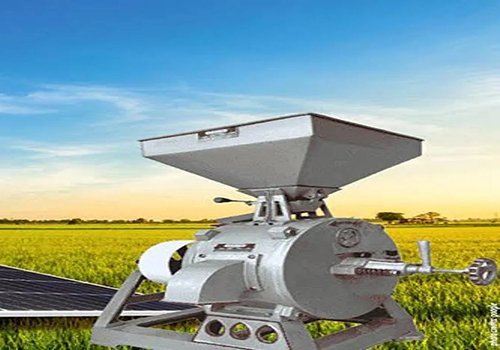
A Solar Atta Chakki is a flour mill powered by solar energy, used for grinding grains such as wheat, maize, millet, and rice into flour. It is an eco-friendly and cost-effective solution for rural and off-grid areas where electricity supply is limited or expensive:
Key Components of an Off-Grid Solar System:
- How It Works: Solar Panels – Convert sunlight into electricity.
- Charge Controller (Optional) – Regulates power and protects the battery (if used).
- Battery Backup (Optional) – Stores energy for use when sunlight is low.
- Solar Inverter – Converts DC power from the solar panels or battery into AC power for the atta chakki motor.
Advantages:
- Eco-Friendly – Uses renewable solar energy.
- Cost-Effective – Reduces electricity bills and fuel expenses.
- Ideal for Remote Areas – Works where grid power is unavailable or unreliable.
- Low Maintenance – Requires minimal servicing compared to diesel-powered mills.
- Long-Term Savings – Reduces dependency on conventional power sources.